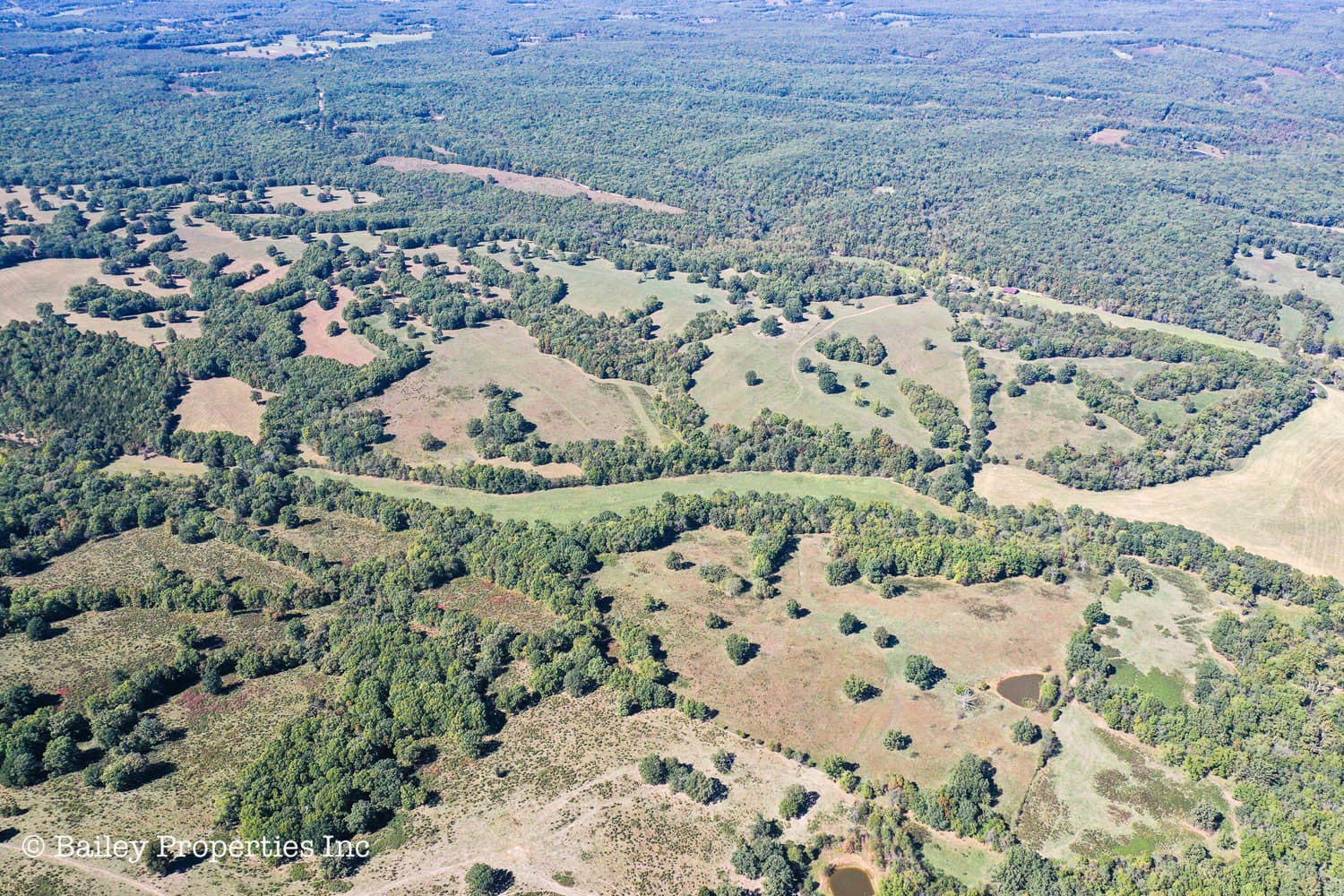
As planting time arrives and the tractors are rolling I remember when we first started No Till farming and we were really one of the first to do so and this was in 1979 in fact I was awarded the conservation farmer of the year in N MO that year. No till farming or as it was called back then, trash farming is the process of farming by slicing the dirt and planting the seed in the soil and then covering it up with a roller. This replaced the plow and the many trips over the ground with a disk or other implements. With No Till farming you plant into the left over stubble from the previous year and the idea is to keep the soil covered up and to prevent as much soil erosion as possible.
It is a common thought that you could easily lose an average of 3 tons of topsoil every year due to erosion and for anyone that has been to New Orleans you can see half of the state of Missouri in the Mississippi delta. There are so many topics on erosion and conservation which I will devote to future Land Link articles but for right now my point is that when we started No till farming we had been told that we are one inch of topsoil away from extinction.
Thank you,
Drennan Bailey
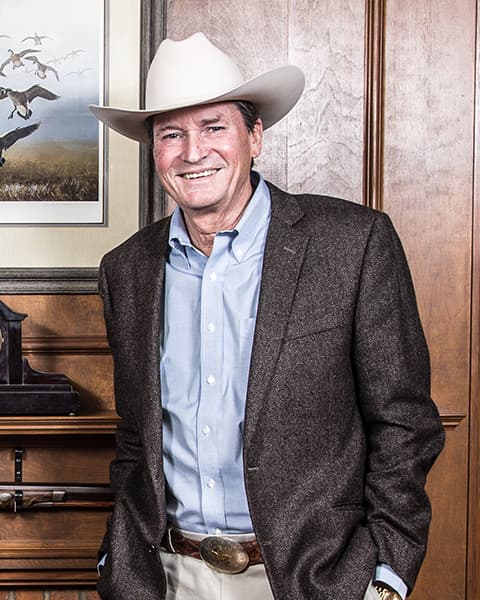
About Drennan Bailey
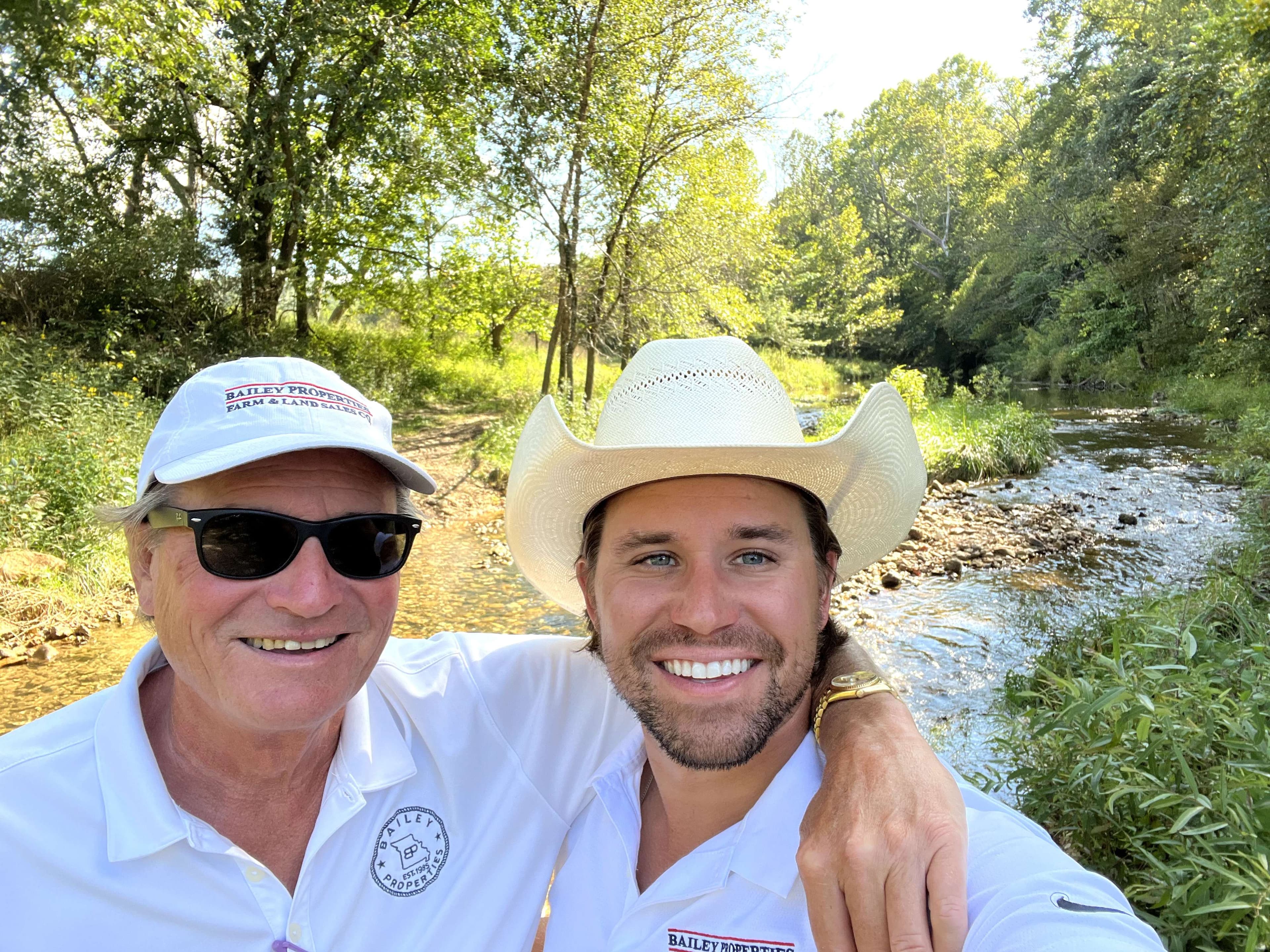
Drennan Bailey, the President of Bailey Properties, Inc, is a St. Louis native with a lifetime commitment to land management and ownership. After earning his business degree from Westminster College, Drennan followed in the footsteps of his family, who have been in farming and ranching for over a century. His early experiences on his family’s Missouri farm fueled his passion for the land. A pioneer in no-till farming during the 1980s, Drennan has both brokered and personally owned thousands of acres. His expertise spans agriculture, ranch, wildlife, and outdoor recreation land sales. Drennan’s extensive network includes trust departments, banks, attorneys, CPA’s, farmers, and landowners. He’s facilitated transactions for clients globally. Married for 40 years, Drennan is a father of four and a grandfather of six, valuing family and tradition.